Hidden Chimney Problems That Can Affect Indoor Heating Performance
A well-functioning chimney does far more than release smoke from a fireplace. It plays a direct role in maintaining indoor comfort, supporting ventilation, and helping heating systems operate safely and efficiently. Unfortunately, many chimney problems develop slowly and remain hidden until homeowners begin noticing colder rooms, unusual odors, or rising energy costs.
One issue that is often overlooked is damaged chimney liners. Homeowners researching chiminey relining solutions are usually dealing with problems that have already started affecting heating efficiency and indoor air quality. Even small structural issues inside a chimney can disrupt airflow and reduce the performance of fireplaces, wood stoves, and heating appliances connected to the flue.
Why Chimneys Matter for Heating Efficiency
A chimney works as part of a larger heating and ventilation system. Its primary role is to direct smoke, gases, and excess heat safely out of the home while drawing fresh air into the combustion process.
When a chimney develops hidden damage, that airflow balance changes. Smoke may linger indoors, heating appliances may struggle to operate properly, and rooms can feel colder despite constant heating.
A damaged or blocked chimney can also force heating systems to work harder, increasing fuel consumption and placing extra strain on equipment.
Cracked Flue Liners Can Reduce Heating Performance
The flue liner is one of the most important parts of a chimney system. It protects the chimney walls from excessive heat and directs combustion gases safely outdoors.
Over time, liners can crack because of:
- Moisture exposure
- Heat expansion and contraction
- Creosote buildup
- Age-related wear
- Chimney fires
Even small cracks may allow heat to escape into surrounding masonry instead of travelling efficiently through the flue. This weakens draft performance and affects how effectively fireplaces or stoves generate heat.
Damaged liners can also increase the risk of carbon monoxide entering indoor spaces rather than venting outside properly.
Moisture Damage Often Goes Unnoticed
Water is one of the biggest threats to chimney systems. Rainwater, snow, and condensation can slowly damage bricks, mortar joints, and liners without producing immediate visible signs inside the home.
Moisture problems may lead to:
- Crumbling masonry
- Rusted chimney components
- Interior wall stains
- Musty smells
- Reduced insulation performance
As moisture enters the chimney structure, it can cool the flue gases too quickly. This weakens the natural draft that heating systems rely on, reducing overall efficiency and making rooms harder to heat consistently.
Persistent dampness may also contribute to mould growth around chimney walls and ceilings.
Creosote Buildup Restricts Airflow
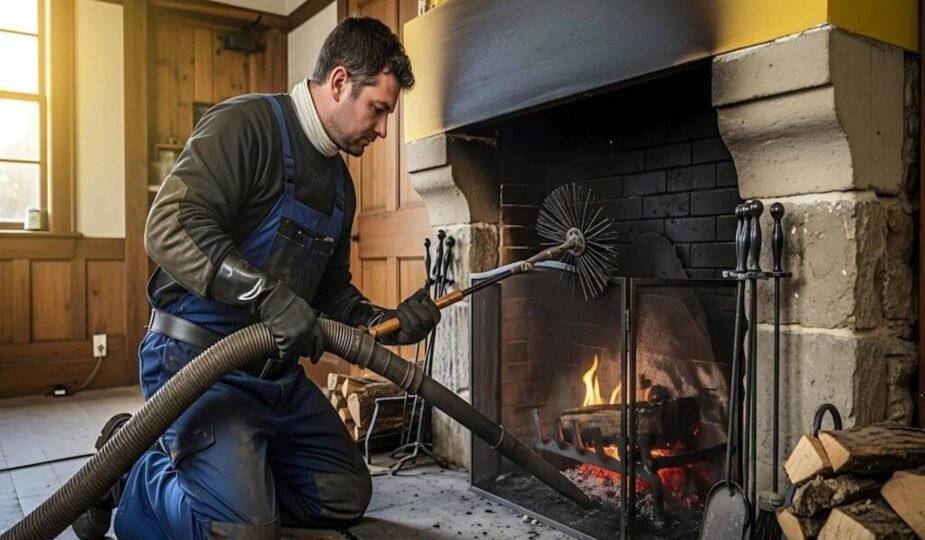
Homes using wood-burning fireplaces or stoves naturally produce creosote during combustion. This dark, tar-like residue sticks to chimney walls and gradually builds up over time.
Heavy creosote accumulation narrows the flue passage and disrupts airflow. When airflow becomes restricted, smoke and gases cannot escape efficiently, reducing heating performance and increasing indoor discomfort.
Signs of excessive creosote buildup may include:
- Smoky odours indoors
- Poor fireplace draft
- Difficulty starting fires
- Excess smoke entering rooms
- Black residue around the fireplace opening
Regular inspections and cleaning are essential for preventing these airflow problems from worsening.
Blockages Can Create Uneven Heating
Bird nests, leaves, debris, and broken masonry can partially block chimney flues without homeowners realising it. Even a small obstruction may interfere with ventilation and reduce the efficiency of connected heating appliances.
Poor airflow caused by blockages often results in uneven heating throughout the home. Some rooms may remain cold while others become overly warm, forcing heating systems to cycle more frequently.
Common blockage warning signs include:
- Whistling sounds from the chimney
- Smoke is backing up indoors
- Strong odours near fireplaces
- Excess soot around vents
- Reduced heating performance
Annual chimney inspections can identify these issues before they begin affecting comfort levels during colder months.
Poor Draft Can Affect Indoor Comfort
Draft refers to the natural movement of air through the chimney. A healthy draft allows smoke and gases to exit while pulling fresh oxygen into the combustion process.
Several hidden chimney issues can weaken draft performance, including the following:
- Flue damage
- Chimney height problems
- Cold air downdrafts
- Damaged chimney caps
- Internal obstructions
When draft becomes inconsistent, heating appliances often burn fuel less efficiently. This can lead to lower heat output, increased smoke production, and higher energy costs.
In some cases, poor draft may also cause cold air to enter the home through the fireplace, making indoor spaces feel noticeably cooler.
Older Chimneys May No Longer Meet Modern Heating Needs
Many older homes were built with chimney systems designed for different heating appliances than those used today. Modern furnaces, inserts, and stoves often require updated venting systems to operate correctly.
An ageing chimney may struggle to support newer high-efficiency equipment because of sizing issues, deteriorated liners, or outdated materials.
This is one reason homeowners sometimes consider upgrading or restoring their chimney systems when improving indoor heating performance. Proper chimney maintenance can help restore ventilation efficiency while supporting safer and more reliable heating throughout the home.
Signs Your Chimney May Be Affecting Heating Efficiency
Some chimney problems remain hidden for years, but certain warning signs often indicate underlying issues.
Homeowners should pay attention to:
- Rooms feeling colder than usual
- Smoke smells indoors
- Increased heating bills
- Visible chimney cracks
- Water stains near fireplaces
- Excess soot accumulation
- Difficulty maintaining fires
- Strange noises from the chimney
These symptoms may seem minor at first, but they often point to airflow or structural problems that can gradually worsen over time.
The Importance of Professional Chimney Inspections
Routine chimney inspections help identify hidden damage before it affects heating performance or creates safety risks.
Professional inspections can reveal:
- Internal liner cracks
- Creosote accumulation
- Moisture damage
- Ventilation restrictions
- Structural deterioration
- Chimney cap problems
Early repairs are usually more affordable and less disruptive than dealing with severe structural damage later.
Regular maintenance also helps heating systems perform more efficiently throughout the colder seasons, improving indoor comfort while reducing unnecessary energy use.
Conclusion
Hidden chimney problems can quietly reduce indoor heating performance long before obvious damage appears. Cracked liners, moisture intrusion, airflow restrictions, and blockages all interfere with the way heating systems operate, often leading to colder rooms, higher utility costs, and reduced indoor comfort.
Because many chimney issues develop gradually, regular inspections and preventative maintenance remain essential for maintaining both efficiency and safety. Addressing problems early can help homeowners protect their heating systems, improve airflow, and create a more comfortable living environment throughout the year.