
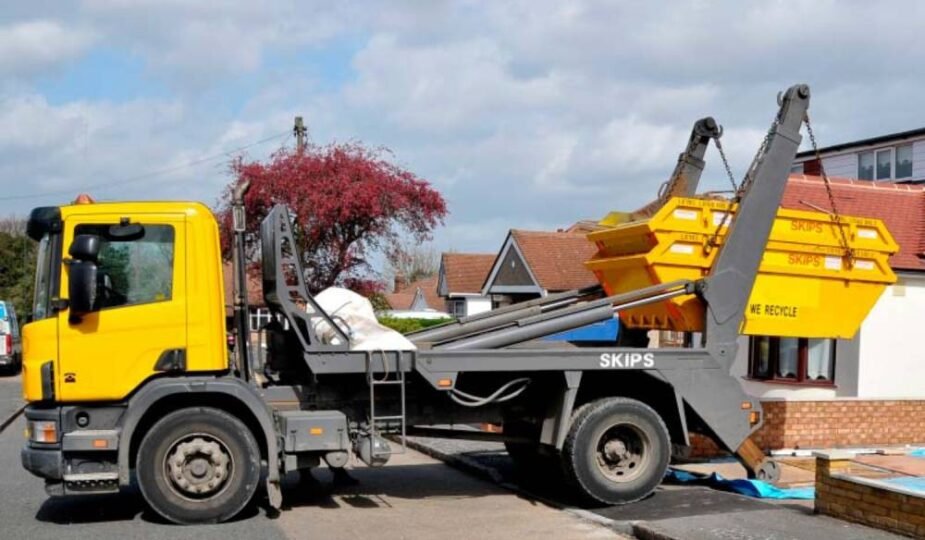
7 Things to Consider Before Booking a Skip Hire Service
Introduction
Whether you are renovating your home, clearing a garden or managing a building project, waste can quickly pile up. A skip provides a convenient way to collect and remove unwanted materials without making repeated trips to the local tip.
However, choosing the right skip hire service involves more than comparing prices. You need to consider skip size, permitted waste, delivery arrangements and local regulations. Here are seven important factors to help you make the right choice.
1. Choose the Right Skip Size
Selecting the correct skip size helps you manage waste efficiently and avoid unnecessary costs. A skip that is too small may require another collection, while an oversized skip could mean paying for unused space.
Common options include:
- Mini skips: Suitable for small household clear-outs and garden waste.
- Midi skips: Ideal for bathroom renovations and moderate DIY projects.
- Builders’ skips: Useful for larger renovations and construction waste.
Explain your project to the hire company before booking. They can recommend a suitable capacity based on the amount and type of waste involved.
2. Compare Prices and Included Services
Skip hire prices vary depending on the size, hire period, location and waste type. Before choosing a provider, request a clear quotation.
Check whether the price includes delivery, collection, waste disposal and any applicable charges. Ask about extra costs for extending the hire period, exceeding weight limits or disposing of restricted materials.
When comparing skip hire Windsor services, focus on the complete price rather than choosing the cheapest advertised rate. A transparent quote makes budgeting easier and reduces the risk of unexpected expenses.
3. Check What Waste You Can Dispose Of
Not every type of waste can go into a standard skip. Household rubbish, wood, soil, bricks and general construction debris are commonly accepted, subject to the provider’s terms.
However, certain materials may require specialist disposal arrangements, including:
- Asbestos and other hazardous waste.
- Paints, solvents and chemicals.
- Electrical equipment and some batteries.
- Fridges and freezers.
Always confirm the rules with your skip hire provider before loading the container. Separating recyclable materials can also support responsible waste management.
4. Understand Skip Permits
If your skip needs to be placed on a public road in Windsor, you will generally need permission from the relevant local authority. The hire company may arrange the permit, but responsibilities vary, so confirm this before booking.
Placing a skip on private property usually avoids a public-road permit, although access and site conditions still matter.
Never assume permission is automatic. Check the requirements early to prevent delays or additional costs.
5. Consider Delivery Access and Placement
The delivery vehicle needs enough room to reach the intended location safely. Narrow roads, parked cars, low branches and restricted driveways can create problems.
Before booking, check:
- Whether the lorry can access your property.
- Whether the ground is stable and level.
- Whether the skip will block entrances or pathways.
- Whether neighbours or passing traffic could be affected.
Tell the provider about any access restrictions in advance.
6. Check the Hire Period
Different projects produce waste at different speeds. A weekend clear-out may need only a short hire period, while a renovation could take several weeks.
Ask how long you can keep the skip and whether extensions are available. Plan delivery around your project’s schedule so the container does not arrive too early or remain longer than necessary.
7. Choose a Reliable Skip Hire Company
A dependable provider should communicate clearly, explain its terms and arrange delivery and collection as agreed.
Read recent customer reviews and check whether the company is appropriately registered or authorised to handle the relevant waste. Ask how collected rubbish is managed and whether recycling is prioritised.
Professional service can save time and help ensure waste is handled responsibly.
Conclusion
Booking a skip becomes much easier when you plan ahead. Consider the size, price, waste restrictions, permits, access, hire period and provider’s reputation before making your decision.
A little preparation can prevent unexpected charges, simplify your project and make waste removal safer and more efficient.